
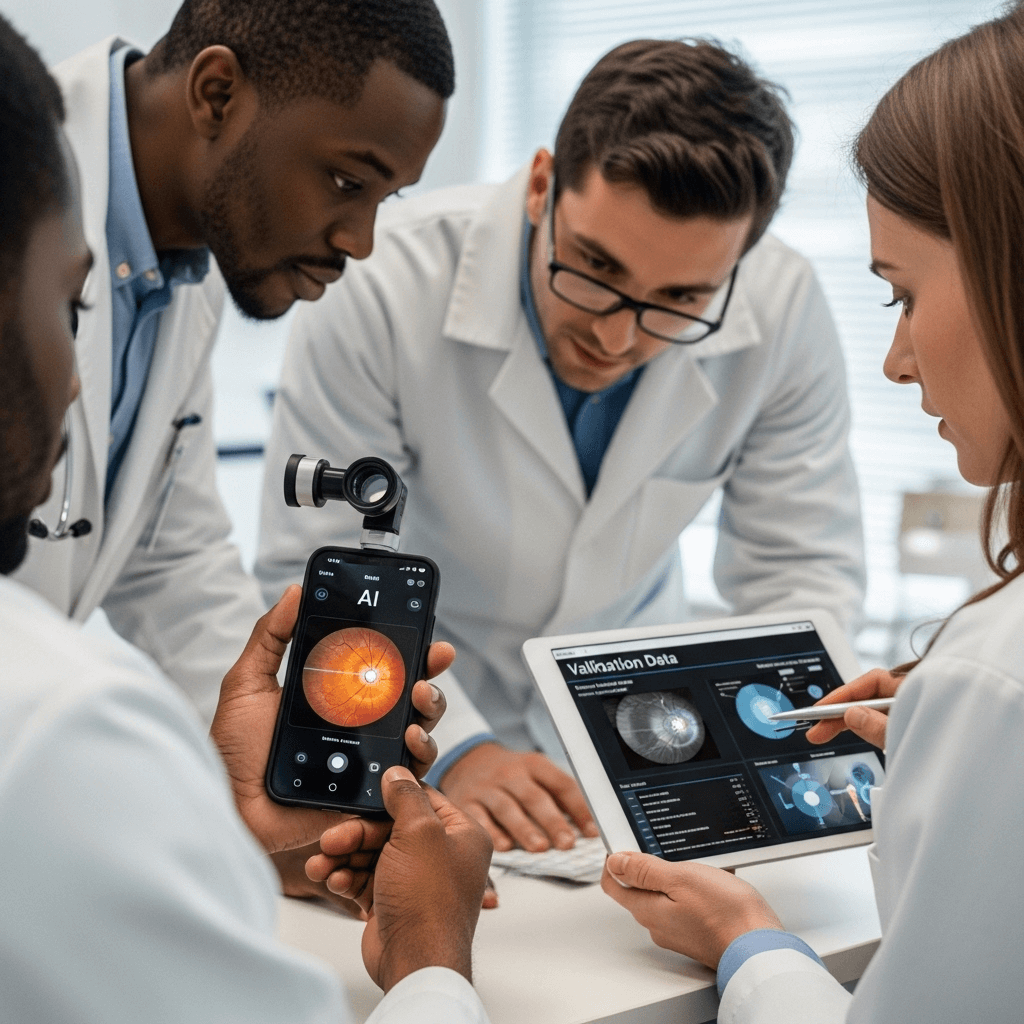
AI Glaucoma Detection: Smartphone Cameras Prevent Blindness
A significant advancement in eye care has recently emerged, as doctors officially validate an innovative AI tool for glaucoma detection. This groundbreaking technology remarkably utilizes common smartphone cameras, paving the way for easier and more accessible screening. This article explores how this new AI-powered glaucoma detection method promises to revolutionize early diagnosis and prevention of blindness globally.
The Breakthrough in Glaucoma Detection with AI
Glaucoma, often called the “silent thief of sight,” is a serious eye condition that damages the optic nerve and can lead to irreversible blindness if left untreated. Unfortunately, early symptoms are rare, making timely glaucoma diagnosis a significant challenge. However, a new AI tool for glaucoma, developed by researchers and now validated by medical professionals, offers immense hope. This remarkable system allows for effective glaucoma detection using smartphone cameras, drastically improving accessibility to essential eye screenings.
The core of this eye care innovation lies in its ability to analyze images of the optic disc, a crucial part of the eye that connects the retina to the brain. Traditionally, specialized and often expensive equipment was necessary to capture and interpret these images accurately. But now, thanks to this advanced AI in ophthalmology, a simple smartphone camera can perform this vital task. This development means that screening can happen outside traditional clinic settings, which is especially beneficial for remote areas or communities with limited access to specialized eye doctors. Furthermore, early detection through such accessible means is paramount for preventing blindness, as timely treatment can halt or slow the progression of the disease.
How This AI Tool Works and Its Impact
This innovative AI tool for glaucoma detection operates by analyzing high-resolution images of the optic nerve head, captured effortlessly using a standard smartphone camera and a simple lens attachment. Specifically, the artificial intelligence algorithm processes these images, looking for subtle changes or damage to the optic disc that are characteristic of glaucoma. Therefore, it effectively identifies suspicious signs that would otherwise require a trained ophthalmologist to spot during a comprehensive eye exam. This validation by doctors confirms the tool’s accuracy and reliability, establishing it as a credible diagnostic aid.
The impact of this technology is profound. First and foremost, it significantly enhances the accessibility of early glaucoma diagnosis. People living in underserved regions, who often face barriers to specialized medical care, can now benefit from crucial screenings. Moreover, the cost-effectiveness of using existing smartphone technology makes routine glaucoma screening more feasible on a larger scale. This system can serve as a powerful preliminary screening tool, allowing healthcare providers to identify at-risk individuals who then require a full ophthalmological examination. Ultimately, by simplifying the detection process and making it widely available, this AI-powered glaucoma detection approach holds tremendous potential for significantly reducing the global burden of blindness caused by glaucoma.
This groundbreaking validation of an AI tool for glaucoma detection, utilizing everyday smartphone cameras, marks a pivotal moment in eye care. It offers a scalable and accessible solution for early glaucoma diagnosis, empowering more individuals to protect their vision. As technology continues to advance, this innovation promises to make a significant impact on global health, ultimately helping to prevent irreversible blindness for countless people worldwide.
For more information, visit: Times of India