Studio Ghibli AI: Fun Trend, Serious Art Concerns
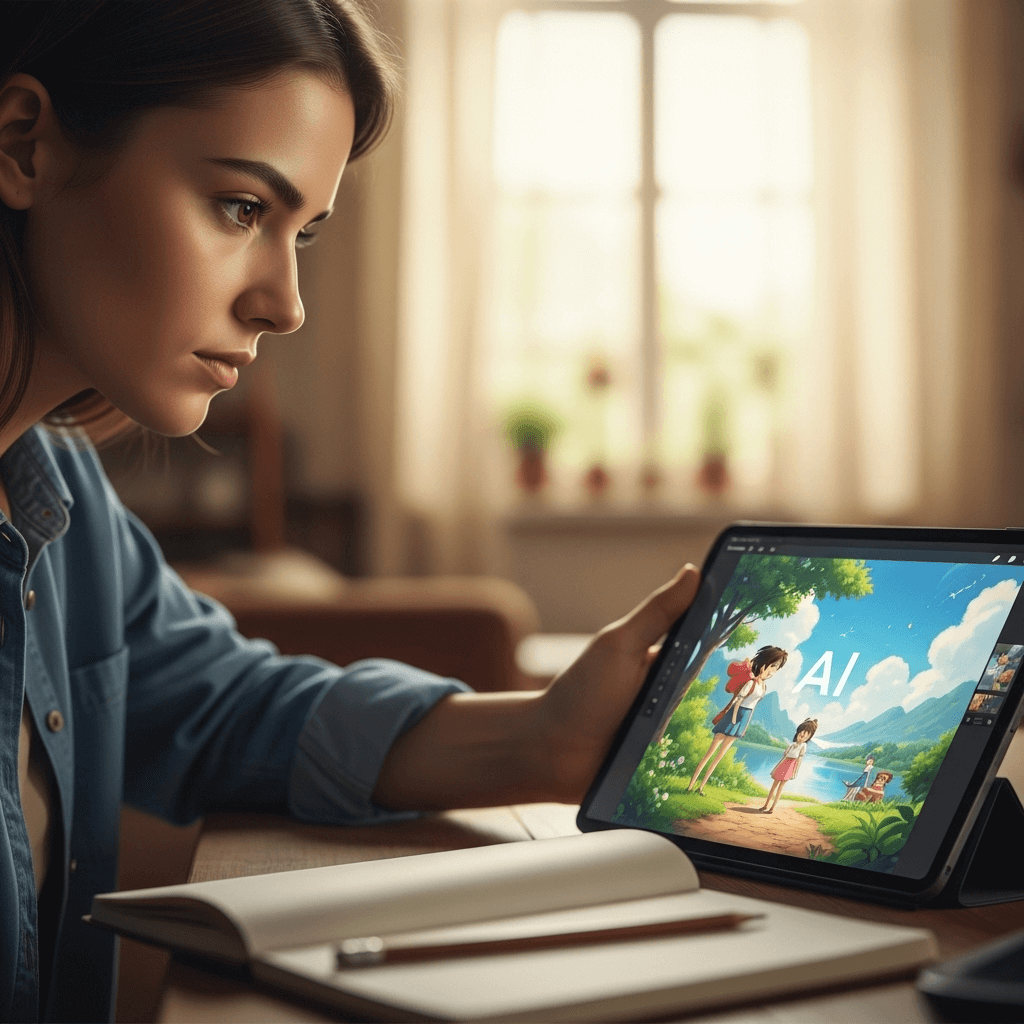
The enchanting artistry of Studio Ghibli has captured hearts worldwide for decades. Recently, a fascinating new development emerged: the viral Studio Ghibli AI trend. People are using artificial intelligence to generate images in the iconic Ghibli style, showcasing everything from everyday scenes to fantastical landscapes. While this trend offers a fun way to engage with the beloved aesthetic, it has sparked a significant debate among artists and fans alike: is the Studio Ghibli AI trend a bad sign for the future of art and creativity?
The Allure of AI-Generated Ghibli
Initially, the appeal of the Studio Ghibli AI trend is undeniable. Modern artificial intelligence tools, particularly generative AI models, have become incredibly adept at mimicking distinct artistic styles. Users simply input a text prompt, and within moments, the AI generates an image that looks strikingly similar to something pulled directly from a Hayao Miyazaki film. This accessibility allows anyone, regardless of artistic skill, to create captivating visuals inspired by Ghibli’s whimsical worlds. Moreover, it taps into a deep well of nostalgia for fans, offering a new way to interact with a cherished universe. Indeed, the speed and ease with which these images appear are astonishing, making the technology seem almost magical. Consequently, this trend has gained immense popularity across social media platforms, with countless individuals sharing their AI-generated Ghibli-esque creations.
A Deeper Look: Concerns for Artistic Integrity and the Future of Art
However, beneath the surface of this playful trend lie serious AI art concerns that many artists and critics are vocalizing. Firstly, a major ethical dilemma centers on the data used to train these AI models. Most AI art generators learn by processing vast datasets of existing art, much of which is created by human artists without their explicit consent or compensation. This raises significant copyright issues AI, as artists question whether their work is being exploited to train machines that might eventually compete with them. Furthermore, the very nature of artistic creation comes into question. While AI can imitate, it does not understand the human experience, emotions, or complex narratives that fuel a true artist’s vision. A human artist imbues their work with personal history, intention, and soul, elements that an algorithm, by its very nature, cannot replicate. Therefore, many argue that AI-generated art, despite its visual appeal, lacks genuine artistic integrity and depth.
In addition, there’s a growing fear about the potential devaluation of human-made art. If AI can produce aesthetically pleasing images rapidly and at little to no cost, will it diminish the perceived value of a human artist’s years of training, skill, and unique creative output? This is a critical AI art concern for professionals in various creative fields, including the future of animation. Ultimately, while the Studio Ghibli AI trend is a fascinating technological display, it serves as a stark reminder of the complex ethical and philosophical questions surrounding the role of AI in creative industries. It forces us to consider the line between inspiration and imitation, and the vital importance of protecting and compensating the human ingenuity that truly defines art.
The viral Studio Ghibli AI trend presents a fascinating paradox. On one hand, it offers a fun and accessible way to engage with a beloved art style. On the other, it highlights profound AI art concerns regarding ethics, copyright, and the very essence of human creativity. While AI tools can mimic, they cannot replace the unique soul and intent of a human artist. Ultimately, this trend signals a critical need for balanced discussions and clear guidelines to ensure technology enhances, rather than diminishes, authentic artistic expression in the future.