Shaan Slams AI Voice Cloning, Honors Kishore Kumar’s Art
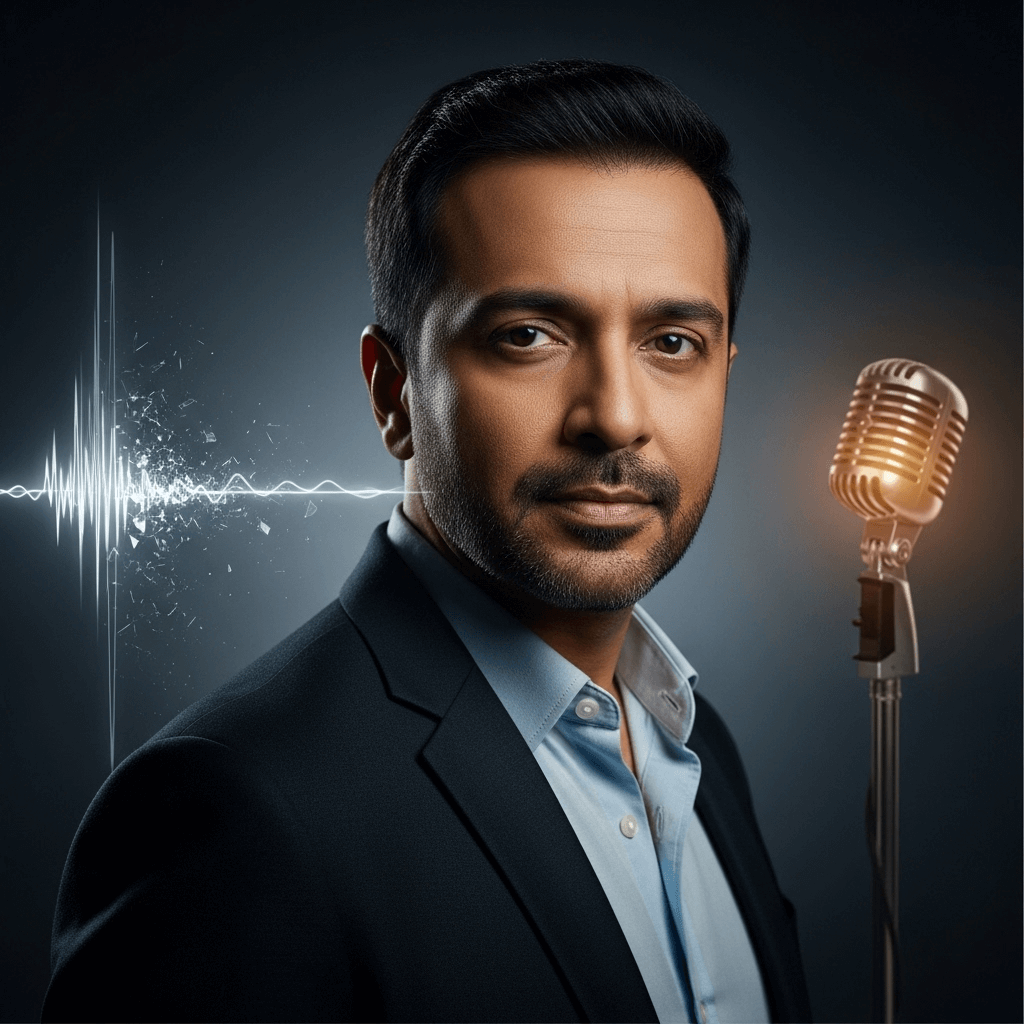
Renowned singer Shaan recently sparked an important discussion, voicing strong concerns about AI voice cloning while simultaneously honoring the timeless legacy of Kishore Kumar. He highlights the crucial difference between artificial replication and genuine human artistry. This article explores Shaan’s critique of AI in music and his deep admiration for the unique brilliance of India’s beloved legend, emphasizing the irreplaceable human touch in singing.
Shaan Criticizes AI Voice Cloning: The Fight for Authenticity
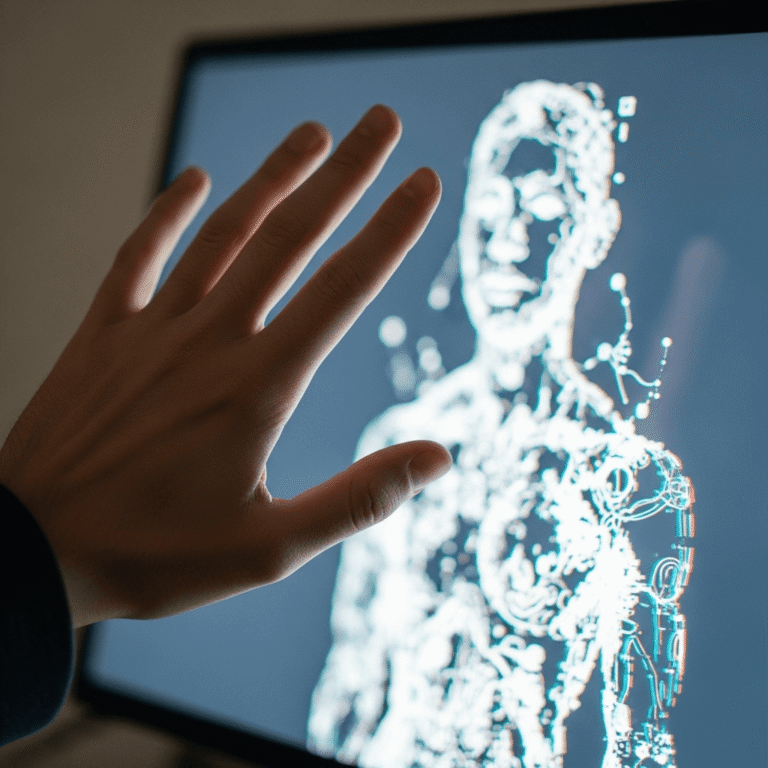
Playback icon Shaan has unequivocally expressed his strong reservations regarding the rise of AI voice cloning in the music industry. He firmly believes that while technology can replicate sounds, it fundamentally fails to capture the essential “soul,” “expression,” and “nuance” that define a human artist’s voice. Furthermore, Shaan argues that these cloned voices, despite their technical perfection, lack the genuine emotion and spontaneity that connect a singer with their audience.
Consequently, this debate extends beyond mere technological capability, delving into profound ethical considerations within the music industry AI landscape. Shaan suggests that relying on AI voices could diminish the value of real human talent, potentially threatening the livelihoods of countless artists. Moreover, it raises critical questions about copyright, artistic ownership, and the very definition of creativity. He advocates fiercely for preserving authenticity in music, emphasizing that an artist’s unique journey, experiences, and emotions are intrinsically woven into their voice, something no algorithm can ever truly simulate. Therefore, for Shaan, the challenge lies in protecting the sanctity of human artistic endeavor against technological imitation.
Celebrating Kishore Kumar’s Legacy: A Testament to Irreplaceable Artistry
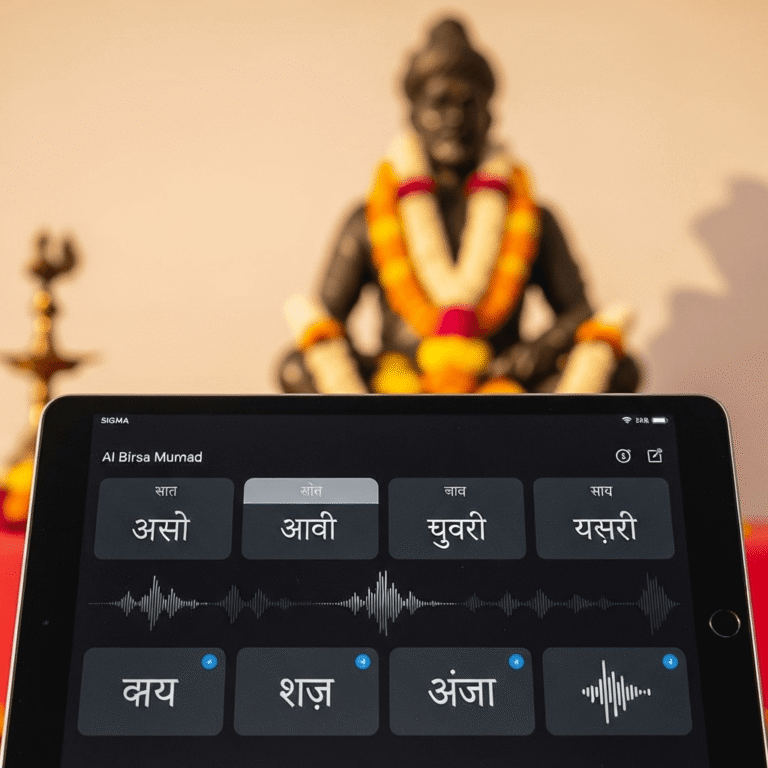
In stark contrast to his concerns about AI, Shaan enthusiastically celebrates the unparalleled legacy of Kishore Kumar, often highlighting him as the ultimate example of human artistry. Shaan reveres Kishore Kumar not merely as a singer but as a phenomenon whose voice was brimming with incredible versatility, infectious joy, and profound emotional depth. Indeed, Kishore Kumar possessed an extraordinary ability to morph his voice to suit various moods, from playful exuberance to poignant sorrow, always delivering a performance that resonated deeply with listeners.
Significantly, Shaan underscores that Kishore Kumar’s unique vocal quality and his innate capacity to convey emotions were products of his human experience, his personality, and his sheer brilliance – elements that an AI voice cloning system could never replicate. His spontaneous inflections, his signature yodels, and his effortless command over melody and rhythm were all hallmarks of his individual genius. Ultimately, for Shaan, honoring Kishore Kumar’s indelible contribution serves as a powerful reminder of what truly makes music timeless and impactful: the irreplaceable human touch in singing. It is this authentic, soulful expression that legends like Kishore Kumar perfected, setting a benchmark for genuine artistry that modern technology simply cannot match.
Ultimately, Shaan’s powerful message serves as a vital reminder for the music industry AI era. He urges us to cherish the human touch in singing and the invaluable legacy of Kishore Kumar, rather than embracing soulless AI copies. By doing so, we can ensure that authenticity in music and genuine artistry continue to thrive for generations to come, preserving the true essence of musical creation.
Source: Devdiscourse – https://www.devdiscourse.com/article/entertainment/3613601-shaan-criticizes-ai-voice-cloning-celebrates-kishore-kumars-legacy