AI Predicts Astronaut Vision Loss Risk Before Space Travel
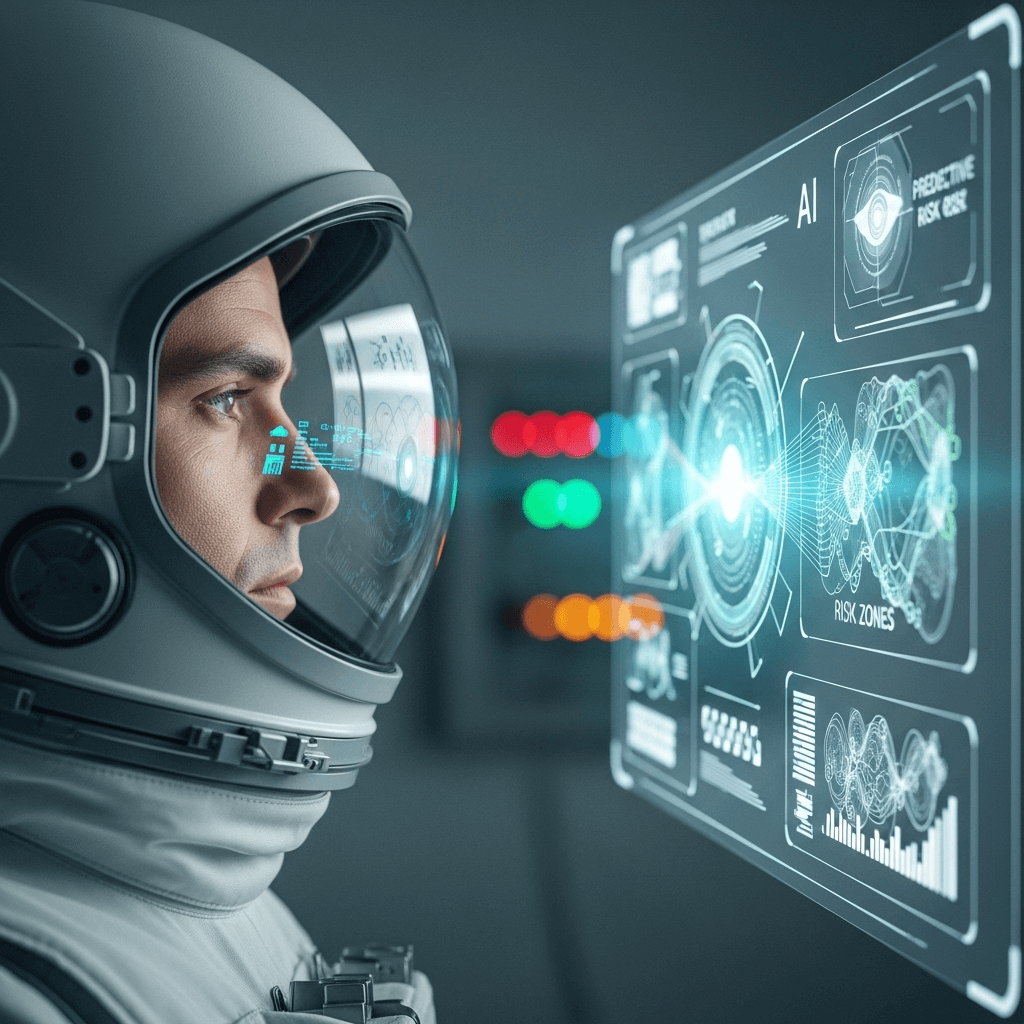
Space travel, while inspiring, presents unique challenges to human health, notably the risk of vision loss. A groundbreaking new AI tool now predicts vision loss risk in astronauts even before launch, revolutionizing pre-flight assessment. This innovation promises to enhance astronaut safety significantly and ensure more successful missions by proactively addressing a critical health concern.
Understanding Vision Loss in Space: The SANS Challenge
Astronauts embarking on long-duration space missions frequently experience vision changes, a significant concern for space agencies. Specifically, a condition known as Spaceflight-Associated Neuro-ocular Syndrome (SANS) poses a serious threat. SANS prediction AI is crucial because SANS involves fluid shifts in the brain and eyes due to microgravity, ultimately increasing pressure on the optic nerve. Consequently, astronauts can suffer from blurred vision, changes in eye structure, and even permanent damage. For instance, some astronauts have experienced flattening of the back of the eye, retinal folds, and swelling of the optic nerve head, all impacting their ability to perform critical tasks. Recognizing the potential for long-term health implications, scientists and doctors have actively sought effective methods to identify individuals most susceptible to developing this condition before they leave Earth, making pre-flight vision assessment a top priority.
How AI is Revolutionizing Astronaut Health Prediction
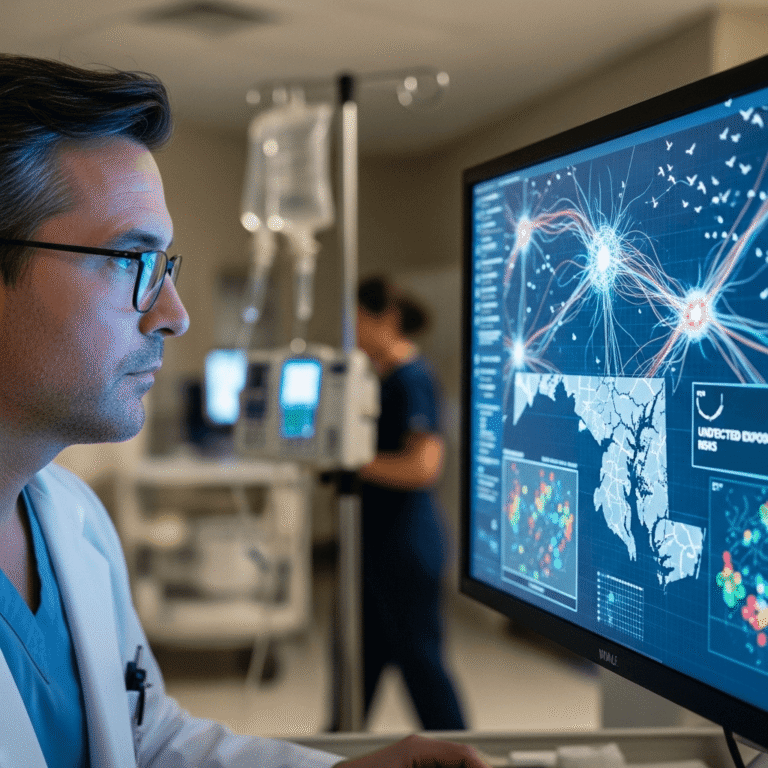
The advent of artificial intelligence offers a transformative solution to this complex problem. A new AI tool predicts vision loss risk in astronauts by analyzing a vast array of pre-flight medical data. Specifically, this intelligent system processes astronaut medical histories, detailed eye exams, and various imaging results, such as MRI scans of the brain and eyes. Furthermore, the AI identifies subtle patterns and biomarkers that human eyes might miss, accurately predicting an individual’s likelihood of developing SANS during spaceflight. Therefore, this AI tool vision loss astronauts system empowers mission planners to make more informed decisions about crew selection and proactive health interventions. Ultimately, by pinpointing high-risk individuals, NASA and other space agencies can implement personalized countermeasures, such as specific dietary adjustments or tailored exercise regimens, effectively bolstering astronaut health monitoring and mitigating risks. This leap in predictive capabilities consequently enhances space travel safety for all future missions.
This cutting-edge AI tool marks a pivotal advancement in safeguarding astronaut well-being during space missions. By accurately predicting vision loss risk before launch, it enables proactive health management and personalized interventions. Ultimately, this innovation significantly enhances space travel safety, paving the way for healthier and more successful human exploration of the cosmos.
Article Source: Phys.org – https://phys.org/news/2025-09-ai-tool-vision-loss-astronauts.html