
Microsoft Copilot 3D: Photos to 3D Models Made Easy
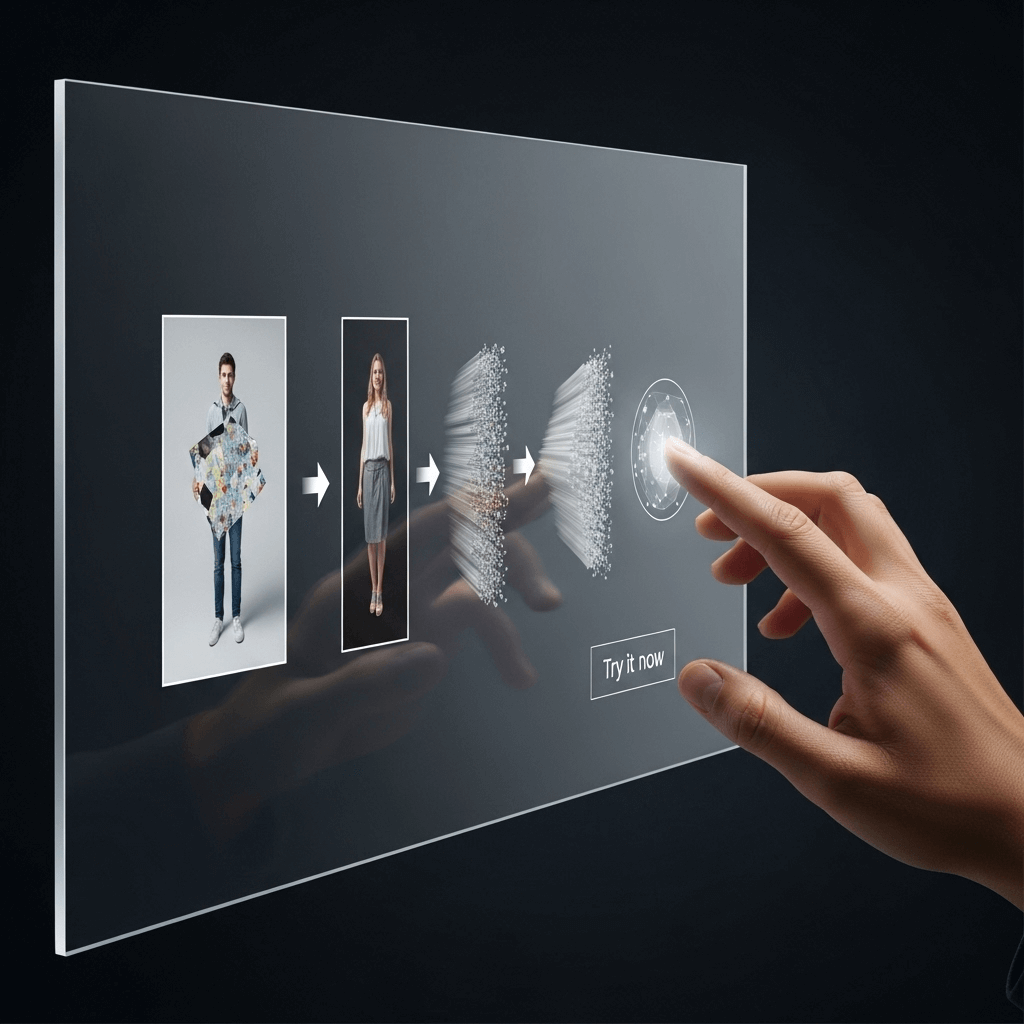
Microsoft has unveiled a groundbreaking artificial intelligence tool, Copilot 3D, which empowers users to transform photos into 3D models. This innovative feature, integrated into the popular Copilot platform, significantly simplifies complex 3D modeling tasks. It promises to revolutionize digital content creation by making sophisticated visual assets readily accessible to everyone, from professionals to enthusiasts, truly democratizing advanced technology.
Unveiling Microsoft Copilot 3D: A Leap in Digital Creation
Microsoft recently introduced Copilot 3D, a powerful AI tool designed to fundamentally change how we create three-dimensional content. Essentially, this feature enables users to take an ordinary 2D image – a photograph, for instance – and instantly convert it into a fully explorable 3D model. This innovative technology is seamlessly integrated within the existing Microsoft Copilot interface, making it incredibly easy for anyone to access and utilize.
Furthermore, the underlying mechanism of Copilot 3D relies on advanced artificial intelligence algorithms. This AI tool intelligently analyzes a flat image, understanding its depth, shape, and contours. Consequently, it generates a detailed 3D representation that accurately reflects the original object or scene. This process eliminates the traditional complexities associated with 3D modeling, which often require specialized software and extensive technical skills. Therefore, Copilot 3D represents a significant step forward, offering an intuitive pathway from simple photos to complex digital environments.
Revolutionizing Industries with 2D to 3D Conversion
The implications of Microsoft Copilot 3D extend far beyond casual use; it holds immense potential to revolutionize various industries through its remarkable 2D to 3D conversion capabilities. For instance, in the gaming sector, developers can now rapidly create realistic assets from real-world objects captured in photos, dramatically speeding up design workflows. Similarly, architects and interior designers can effortlessly transform blueprints or sketches into interactive 3D models, allowing clients to experience spaces virtually before construction begins.
Moreover, the e-commerce industry stands to benefit significantly. Imagine online shoppers being able to rotate and inspect products from every angle, all from a single product photo initially. This ability to transform photos into 3D models can enhance customer engagement and reduce return rates. In the realm of education, complex concepts can become more tangible when illustrated with interactive 3D models derived from simple images. Ultimately, this innovative technology democratizes 3D modeling, opening doors for creators across all fields to produce richer, more immersive digital content without needing prior expertise in intricate software. This makes sophisticated digital design accessible to a much wider audience, fostering unprecedented creativity and efficiency.
In summary, Microsoft’s launch of Copilot 3D marks a significant advancement in artificial intelligence, making complex 3D modeling accessible to everyone. This AI tool’s ability to instantly transform photos into 3D models will profoundly impact various sectors, from gaming to e-commerce, democratizing digital content creation. It represents a powerful step towards a future where sophisticated 3D assets are easily created, ultimately reshaping how we interact with and create digital worlds.
For more information, visit: The Indian Express