AI Pinpoints Fish Stress, Boosting Welfare in Aquaculture
Ensuring the well-being of farmed fish is crucial for both animal welfare and a productive aquaculture industry. However, detecting stress in fish can be challenging, often going unnoticed until problems escalate. Now, groundbreaking research shows that AI assessment indicates stress levels in farmed Amazonian fish, revolutionizing how we monitor fish health. This innovative approach promises to enhance fish welfare and boost the efficiency of fish farming operations.
Unveiling the Silent Struggle: Why Fish Stress Matters
In aquaculture, maintaining optimal conditions for fish is paramount. Yet, fish often experience stress due to various factors like overcrowding, poor water quality, or handling. This stress significantly impacts their health, growth rates, and even the quality of the final product. For instance, common farmed Amazonian fish such as tambaqui and pirapitinga suffer from reduced immunity and slower weight gain when stressed, leading to economic losses for farmers. Traditionally, monitoring stress in vast fish populations has been difficult and often reactive, meaning farmers only detect issues after they have become severe. Current methods frequently involve manual observation or invasive sampling, which themselves can cause further stress to the fish. Therefore, a proactive and non-invasive solution for fish health monitoring became essential to support sustainable fish farming practices.
AI’s Eye: A New Era for Fish Welfare and Aquaculture Technology
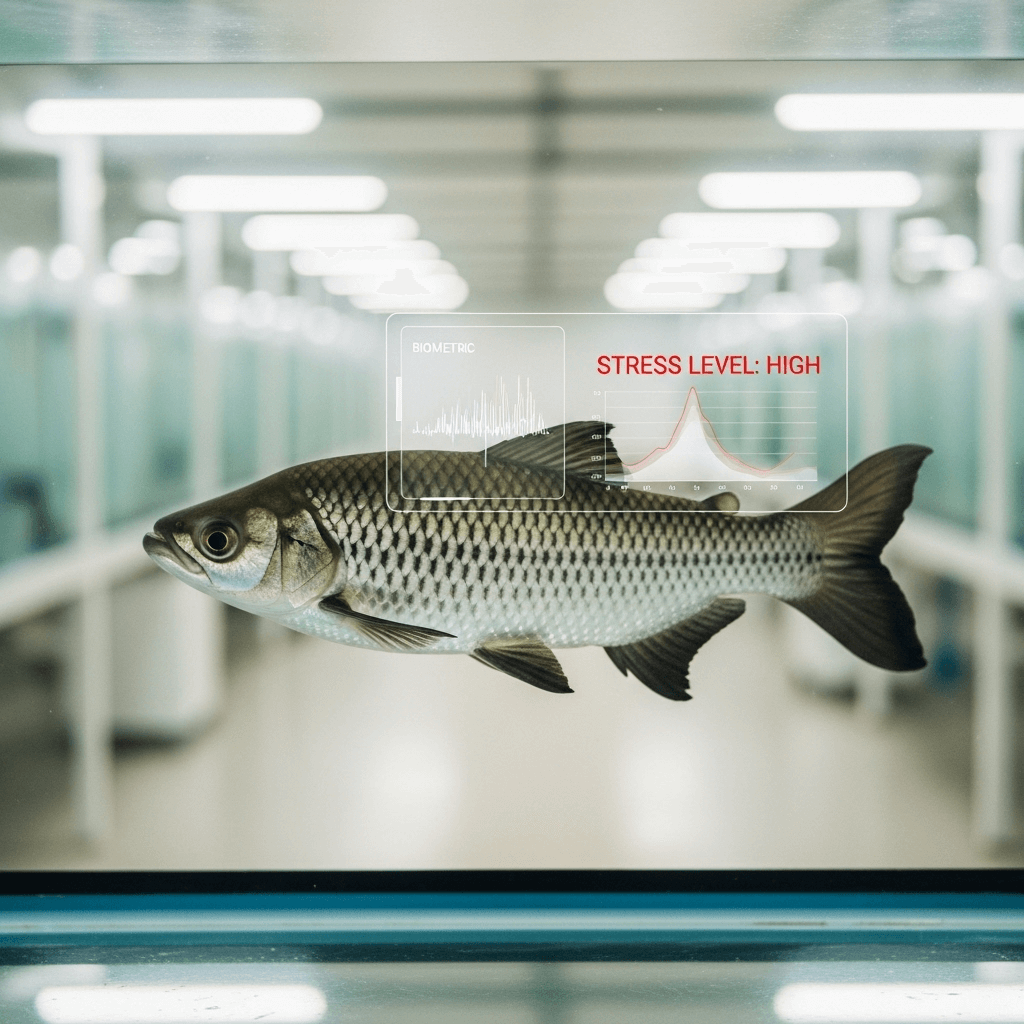
The good news is that advanced aquaculture technology has emerged to address this challenge head-on. Scientists are now deploying sophisticated AI stress assessment fish systems that analyze subtle behavioral and physical cues. Furthermore, this innovative AI watches fish in their natural environment, effectively identifying early signs of stress long before they become critical. For example, the AI might track changes in swimming patterns, fin movements, or body coloration through video feeds. Consequently, by learning from extensive datasets, the AI system quickly and accurately pinpoints anomalies indicating elevated tambaqui stress levels or pirapitinga welfare issues. This early detection empowers farmers to swiftly adjust environmental factors, thereby improving water quality, modifying feeding schedules, or reducing stocking densities. Moreover, implementing such smart solutions ensures a healthier environment for the fish, ultimately leading to better growth, stronger immune systems, and higher quality produce. This represents a significant leap forward in ensuring ethical and productive farming practices.
The integration of AI in fish stress assessment marks a pivotal moment for aquaculture. By providing timely and accurate insights into fish well-being, this technology not only improves the lives of farmed Amazonian fish but also enhances the sustainability and profitability of the industry. Ultimately, it paves the way for a more humane and efficient future in sustainable fish farming.
For more details, visit: Phys.org