
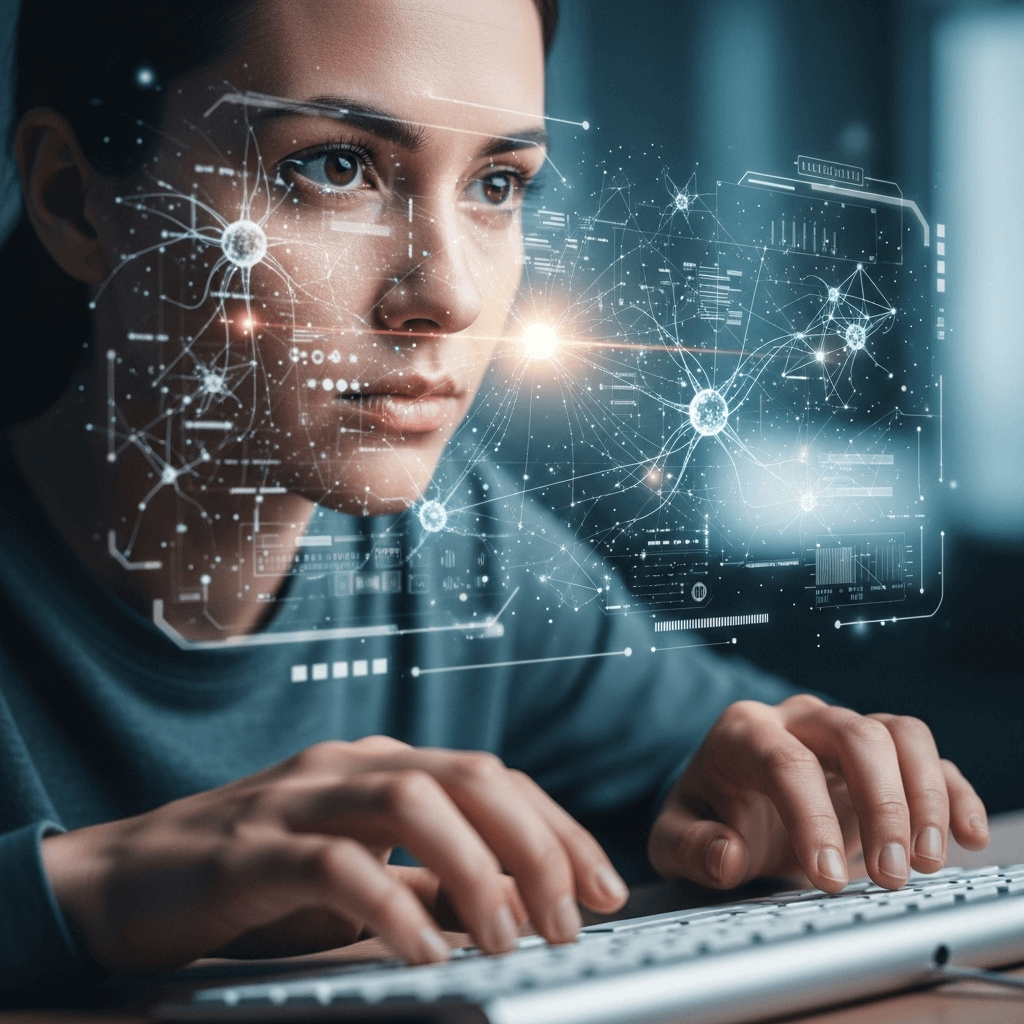
AI Hacks: The Rise of AI Cyberattacks & Defense
Get ready for a new era in cybersecurity, where artificial intelligence isn’t just a tool for progress but also a potent weapon for cybercriminals. The digital landscape is rapidly evolving, and AI now plays a crucial role in both enhancing our defenses and escalating the complexity of attacks. This article explores how AI hacks are emerging and what this means for our digital safety. Prepare to understand the evolving battleground of AI cyberattacks.
The Dawn of AI-Powered Offense
The threat of sophisticated AI-powered attacks is no longer theoretical; it’s becoming a stark reality. Cybercriminals are increasingly leveraging artificial intelligence to launch more effective and elusive strikes. For instance, AI algorithms can analyze vast amounts of data to identify vulnerabilities in systems much faster than human attackers ever could. Furthermore, this technology allows for highly personalized phishing campaigns, where AI crafts convincing emails or messages tailored to individual targets, making them incredibly difficult to spot. Consequently, the success rates of these scams dramatically increase.
Moreover, AI is transforming how malware operates. Instead of static threats, we are seeing the rise of adaptive malware that can learn from its environment, evade detection, and even modify its behavior to stay hidden. Additionally, AI enables bad actors to automate large-scale reconnaissance, quickly mapping networks and identifying weak points for exploitation. This means attackers can launch more precise and devastating attacks with less manual effort, making the digital world a more perilous place for businesses and individuals alike. Therefore, understanding these advanced methods is vital for developing stronger countermeasures against these evolving cybersecurity threats.
AI as a Double-Edged Sword: Defense and the Future
However, AI is not solely an offensive weapon; it’s also becoming an indispensable tool for defense in the ongoing fight against AI cyberattacks. Security teams are harnessing AI to detect anomalies in network traffic, predict potential threats before they materialize, and even automate rapid responses to breaches. For example, AI-driven systems can analyze behavioral patterns to identify suspicious activities that might indicate a hack, often in real-time. This proactive approach significantly reduces the window of opportunity for attackers.
Conversely, the rapid advancements in AI create a dynamic “arms race” in cybersecurity. As attackers develop more sophisticated AI hacks, defenders must simultaneously innovate with their own AI-driven solutions. This constant back-and-forth pushes both offensive and defensive capabilities to new frontiers. Moreover, securing our digital future requires a deep understanding of artificial intelligence security risks and opportunities. Businesses and individuals must invest in robust AI-powered security measures and stay informed about the latest threats to effectively combat the rising tide of sophisticated attacks. Ultimately, embracing AI for defense is critical for protecting our digital infrastructure from increasingly complex AI security risks.
In conclusion, artificial intelligence presents both significant challenges and powerful solutions in the realm of cybersecurity. While AI hacks are undoubtedly on the rise, so too are the AI-powered defenses designed to combat them. Staying informed, investing in advanced security tools, and prioritizing digital vigilance are essential. As the digital landscape continues to evolve, our ability to leverage AI wisely will determine the safety and security of our interconnected world. Be prepared for the future of AI cyberattacks and defense.
Get more info from: https://gizmodo.com/get-ready-the-ai-hacks-are-coming-2000639625