
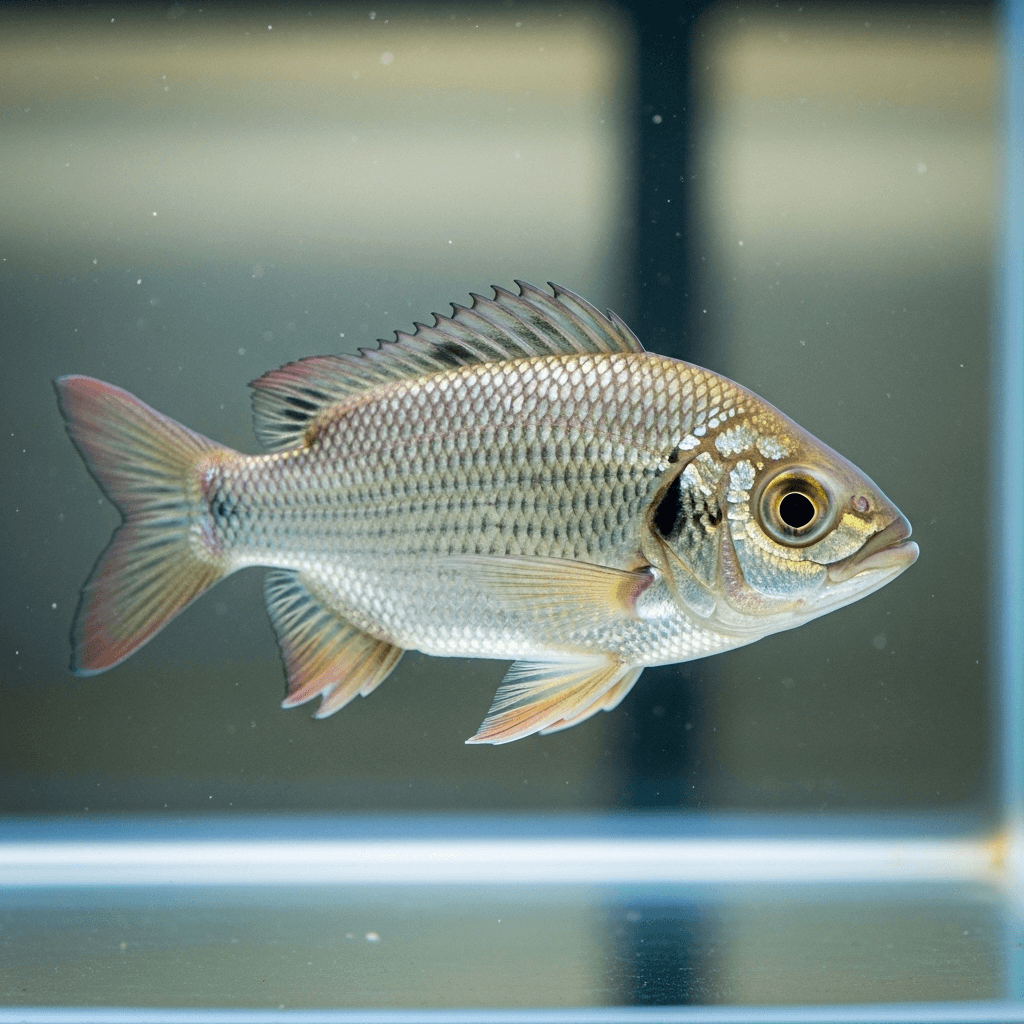
AI Fights Fish Stress: Sustainable Amazonian Aquaculture
Scientists now use artificial intelligence (AI) to identify stress in farmed Amazonian fish. This exciting development promises to transform aquaculture by improving animal welfare and farming efficiency. By understanding how fish feel, we can create healthier environments, leading to better outcomes for both the fish and the farmers. This innovation marks a significant step forward in sustainable fish farming practices.
AI Unlocks Secrets of Fish Stress in Amazonian Farms
Farming fish, also known as aquaculture, is a vital industry that provides food for many people. However, just like other animals, farmed fish can experience stress. When fish are stressed, they often become sick more easily, grow slower, and unfortunately, some may even die. Historically, farmers found it challenging to accurately assess fish stress levels, especially in large populations. However, new research highlights a groundbreaking solution: using artificial intelligence to monitor the well-being of farmed Amazonian fish.
AI assessment technology steps in to fill this gap. Researchers are specifically training AI systems to recognize subtle signs of stress that humans might miss. For example, the AI might analyze changes in fish behavior, their swimming patterns, or even slight shifts in their appearance. These details serve as crucial indicators of their emotional and physical state. Furthermore, this advanced AI fish stress detection system provides real-time information, which means farmers can quickly respond to problems. This proactive approach significantly helps in maintaining better fish health monitoring across the entire farm. Consequently, this innovation moves us closer to more humane and efficient practices in Amazonian fish farming.
Boosting Fish Welfare and Farm Success with Smart Technology
The application of AI in identifying fish stress offers immense benefits, not only for the fish themselves but also for the farmers and the environment. Primarily, by actively recognizing and reducing stress, this technology directly improves fish welfare. Happier, less stressed fish are naturally healthier. They grow better, resist diseases more effectively, and have a higher survival rate. Therefore, this leads to a more robust and productive fish population.
Moreover, for farmers, the advantages are clear and impactful. Timely information about stress levels allows them to adjust environmental conditions, feeding routines, or stocking densities before problems become severe. This proactive management significantly reduces losses due to disease and mortality, thereby boosting overall farm profitability. In addition, AI in aquaculture promotes more sustainable aquaculture solutions by optimizing resource use and minimizing the need for costly treatments for sick fish. Ultimately, this technology paves the way for a future where farmed fish live in better conditions, and farming operations become both more ethical and economically sound. It truly represents a win-win scenario for everyone involved in the aquaculture supply chain.
In summary, AI assessment of stress levels in farmed Amazonian fish represents a powerful stride for aquaculture. This technology actively helps farmers ensure healthier fish and more sustainable operations. Ultimately, by embracing these advanced tools, we can significantly improve animal welfare while also boosting the productivity and ethical standards of fish farming worldwide. It’s a win-win for everyone involved.
Source: Phys.org